Science and Food
  • Home
  • Public Events
    • Video Gallery
    • 2022 People, Food, & Climate
    • 2019 Food Waste
    • 2017 Future of Food
    • 2016 Public Lecture Series
    • 2014 Public Lecture Series
    • 2013 Public Lecture series
    • 2012 Public Lecture Series
  • Future Food Fellows
  • Building Community
  • Course
  • Press
  • Support Us
  • Contact Us
  • Click to open the search input field Click to open the search input field Search
  • Menu Menu

Tag Archive for: baking

Zoe Nathan

May 14, 2013/in Profiles/by Grant Alkin

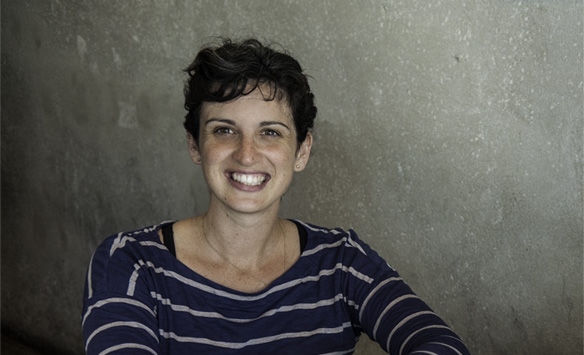
Zoe Nathan is the co-owner of several Los Angeles restaurants, including Huckleberry Bakery and Café and Milo and Olive. An avid baker, Zoe honed her craft at Tartine in San Francisco where she learned the value of using color as a flavor. At her own restaurants, she has received widespread acclaim for her pastries.

See Zoe Nathan speak at our next 2013 Science & Food public lecture!

The Science of Pie
Featuring Chefs Christina Tosi and Zoe Nathan
Sunday, May 19 @ 2:00pm
Covel Commons Grand Horizon Room (map)
BUY TICKETS

Image credit: Emily Hart Roth

Image credit: Emily Hart Roth

What hooked you on cooking?
I wanted to do something with my hands and was searching for a way to express myself in a way that I could connect with people around me instantly. I loved being able to make something and have someone eat it right away and hopefully enjoy it and understand where I’m coming from. Plus it just makes me really happy!
The coolest example of science in your food?
For me it’s the process of baking. Working with so few ingredients, and then deciding on different processes that will create totally different things to eat. That’s why I never worry about someone stealing a recipe from me, because at the end of the day, it’s not knowing what goes into baking something that makes it special, it’s how you bake it.
The food you find most fascinating?
Bread. For exactly the same reason as above. It’s all about process. That’s why I laugh when people say, “You can only make great Sourdough in San Francisco, or Bagels in New York,” but then I see people try with bad ingredients and a sloppy process. If you care enough you can make great bread anywhere.
One kitchen tool you could not live without?
Mixing bowls!
What scientific concept–food related or otherwise–do you find most fascinating?
The concept I find the most important in baking is the process of caramelization. You can use all the right ingredients and even the right process, but if you don’t get the right caramelization and color on a bake good it simply doesn’t look or taste good.
Five things most likely to be found in your fridge?
Eggs, kale, milk (I have a 2 year old), Dijon mustard, cream cheese.
Your best example of a food that is better because of science?
I’m not a big fan of modern science in cooking, but I’m super happy to have freezers so that I can freeze my scones and biscuits so that I can put the maximum amount of butter inside without having it leak out. I’m happy for convection ovens so my baked goods get that extra little jump. I’m happy for steam on my bread oven so my bread gets that nice shine. I’m also happy for bright lights so my bakers can come in at 3 a.m. and still feel safe!
Your all-time favorite ingredient? Favorite cookbook?
Salt is my all-time favorite ingredient. I have so many cookbooks that I love I can’t choose one.
How do you think science will impact your world of food in the next 5 years?
Honestly, I think it’s mostly negative. I think a lot of people eat processed foods because they’re easier to get because science has made them taste good and last a lot longer than it actually should. Because of all the big advancements in technology people are also used to getting what they want quickly, but good cooking is a patient thing, so I think fewer and fewer people know how to cook. I also think young cooks who are obsessed with immersion circulators and cvap machines often don’t know how to cook a piece of meat on a grill or in a pan which is a shame because that’s how it tastes best.
Your standard breakfast?
Leftovers from whatever my son hasn’t eaten and he eats pretty well. When I actually take the time to make it for myself it’s oatmeal cooked in homemade almond milk.
https://www.scienceandfood.org/wp-content/uploads/sites/123/2013/05/zoe-nathan-credit-emily-hart-roth-copy.jpg 355 584 Grant Alkin https://sites.lifesci.ucla.edu/ibp-scienceandfoodnew/wp-content/uploads/sites/123/2016/09/newlogoSm-2-300x31.png Grant Alkin2013-05-14 10:30:172013-05-14 10:30:17Zoe Nathan

Celiac Vaccines & Whole-Grain Breads

May 9, 2013/in What We're Reading/by Grant Alkin

WheatLowdown

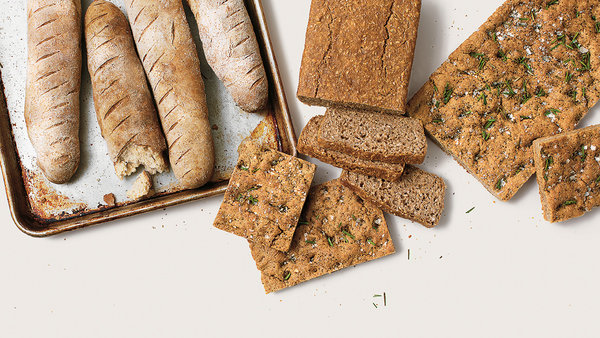
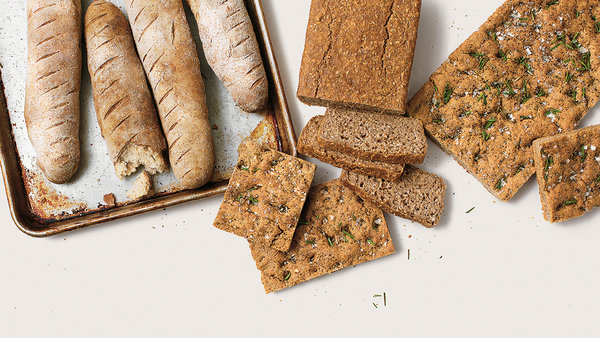
Scientists study a vaccine to cure celiac disease, while Mark Bittman shares his tips and tricks for making whole-grain breads at home. (Hint: you’ll want to get out your food processor!) Read more

https://www.scienceandfood.org/wp-content/uploads/sites/123/2013/05/wheatlowdown.jpg 338 600 Grant Alkin https://sites.lifesci.ucla.edu/ibp-scienceandfoodnew/wp-content/uploads/sites/123/2016/09/newlogoSm-2-300x31.png Grant Alkin2013-05-09 11:00:502013-05-09 11:00:50Celiac Vaccines & Whole-Grain Breads

Baking Without Eggs

April 30, 2013/in Science & Food/by Grant Alkin

With the Science of Pie coming up in just a few weeks, we’ve been spending a lot of time thinking about baked goods. And one ingredient in particular has really captured our imagination—the egg! In the realm of baked goods, eggs are highly revered for their binding and leavening abilities. The fats and proteins within an egg can also contribute to important properties like moisture, texture, and mouthfeel [1]. Read more

0 0 Grant Alkin https://sites.lifesci.ucla.edu/ibp-scienceandfoodnew/wp-content/uploads/sites/123/2016/09/newlogoSm-2-300x31.png Grant Alkin2013-04-30 10:30:032013-04-30 10:30:03Baking Without Eggs

Simple Vegan Strawberry Shortcake

April 23, 2013/in DIY Kitchen Science/by Grant Alkin

BirthdayCake

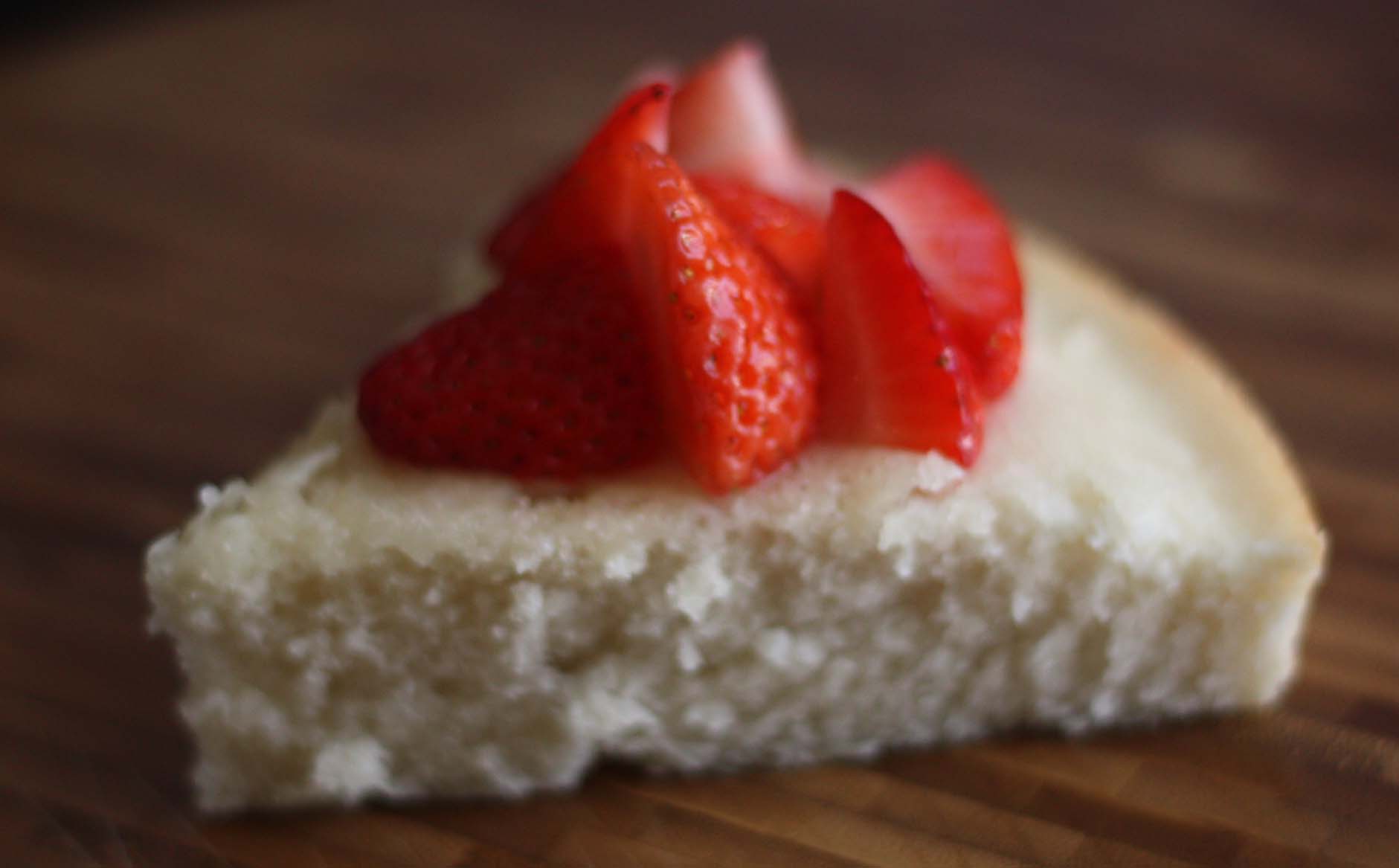
With increasing numbers of people embracing dietary-restricted, vegetarian, and vegan lifestyles, birthday parties are becoming more complex. Consider the simple birthday cake. Everyone should be able to partake in its delicious sugary goodness; however, this can prove difficult. Specifically, how can you bake a cake if you cannot use one of the most important components, eggs? Read more

https://www.scienceandfood.org/wp-content/uploads/sites/123/2013/04/strawberryshortcake.jpg 1167 1881 Grant Alkin https://sites.lifesci.ucla.edu/ibp-scienceandfoodnew/wp-content/uploads/sites/123/2016/09/newlogoSm-2-300x31.png Grant Alkin2013-04-23 10:30:262013-04-23 10:30:26Simple Vegan Strawberry Shortcake
Page 3 of 3123
Search Search

Recent Posts

  • Hello world!
  • Hello world!
  • Hello world!
  • Aquafaba Meringues
  • Vertical Farming & Micro-Gardening

Archives

  • March 2017
  • November 2016
  • August 2016
  • May 2016
  • April 2016
  • March 2016
  • February 2016
  • January 2016
  • December 2015
  • November 2015
  • October 2015
  • September 2015
  • August 2015
  • July 2015
  • June 2015
  • May 2015
  • April 2015
  • March 2015
  • February 2015
  • January 2015
  • December 2014
  • November 2014
  • October 2014
  • September 2014
  • August 2014
  • July 2014
  • June 2014
  • May 2014
  • April 2014
  • March 2014
  • February 2014
  • January 2014
  • December 2013
  • November 2013
  • October 2013
  • September 2013
  • August 2013
  • July 2013
  • June 2013
  • May 2013
  • April 2013
  • March 2013
  • February 2013
  • January 2013
  • June 2012
  • May 2012
  • April 2012

Categories

  • Contests
  • Course Lectures
  • DIY Kitchen Science
  • Flavor of the Month
  • News & Views
  • Profiles
  • Public Lectures
  • Science & Food
  • Uncategorized
  • What We're Reading

Meta

  • Log in
  • Entries feed
  • Comments feed
  • WordPress.org
Scroll to top Scroll to top Scroll to top