Science and Food
  • Home
  • Public Events
    • Video Gallery
    • 2022 People, Food, & Climate
    • 2019 Food Waste
    • 2017 Future of Food
    • 2016 Public Lecture Series
    • 2014 Public Lecture Series
    • 2013 Public Lecture series
    • 2012 Public Lecture Series
  • Future Food Fellows
  • Building Community
  • Course
  • Press
  • Support Us
  • Contact Us
  • Click to open the search input field Click to open the search input field Search
  • Menu Menu

Microfuku

June 5, 2012/in Public Lectures/by Grant Alkin

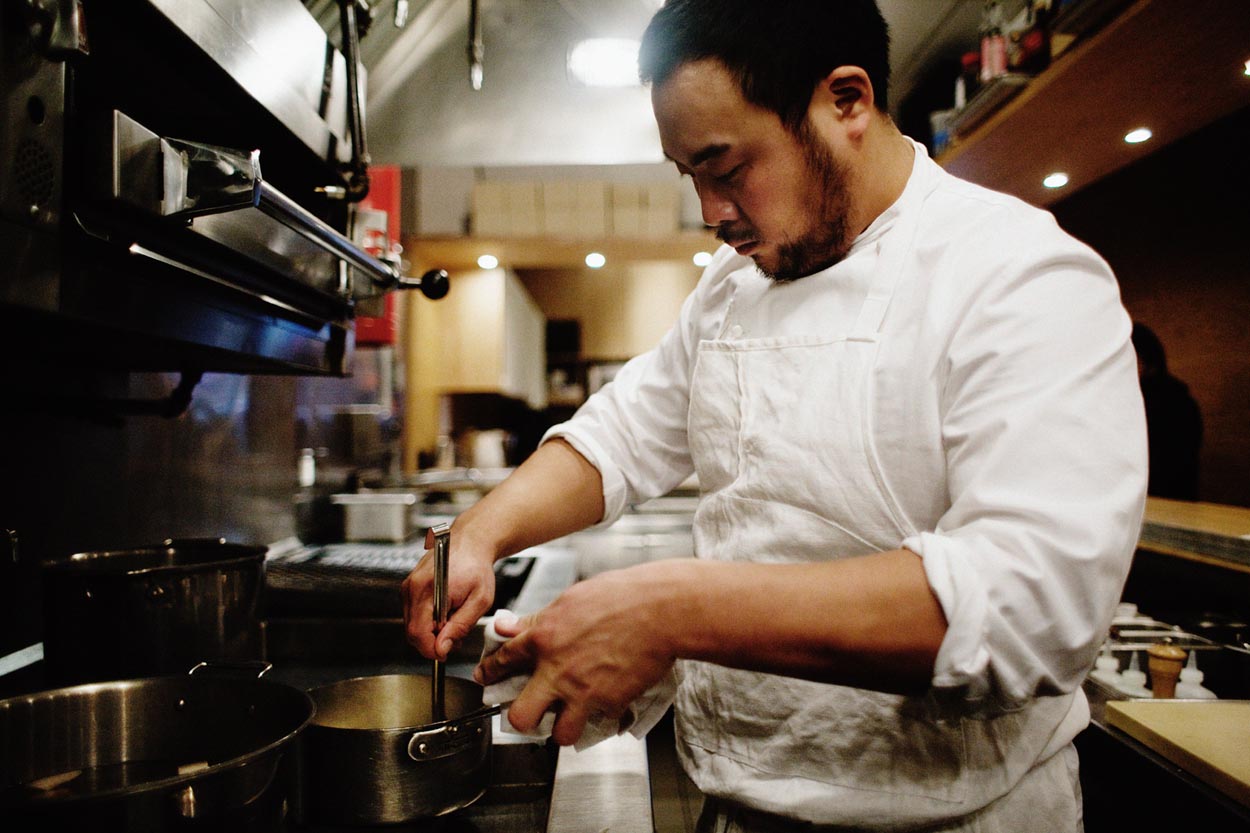
The momofuku team, led by chef/owner David Chang, swung through town during our week on microbes. David Chang and Peter Meehan produce the literary magazine Lucky Peach. Dan Felder and Veronica Trevizo are chefs who work in the momofuku kitchen lab. For LA Weekly’s rundown of the public lecture, see here. For more photos, see here. 

momofuku chef Dan Felder before class begins

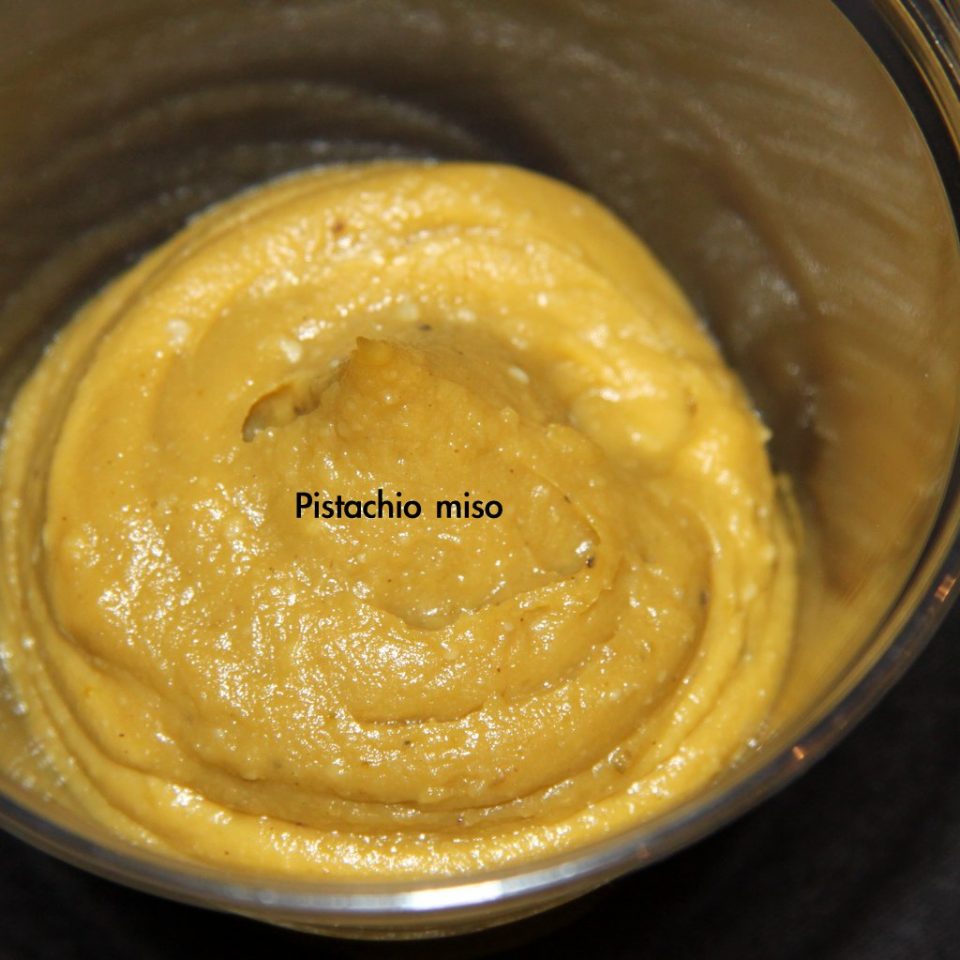
Microbial fermentation is one of the oldest cooking techniques in the world. In the past two years, the momofuku team has been working to understand fermentation and apply it in innovative ways. When the team visited, we first tasted pistachio miso and MSG. Miso is traditionally made by inoculating soybeans or barley with Aspergillus oryzae, or koji in Japanese. Koji is a mold that is also used in making sake and soy sauce. The momofuku team took this idea a step further, experimenting with inoculating untraditional ingredients with A. oryzae. The resultant pistachio miso is a mildly salty paste with a subtle note of the nut. It tastes like dou fu ru, a fermented bean curd from China, of which, incidentally, some varieties are also made with A. oryzae.

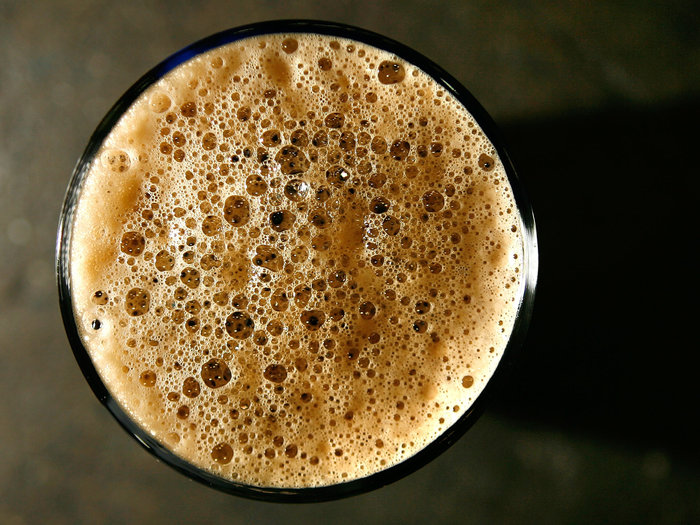
The momofuku team took this pistachio miso another step further, by centrifuging it. The miso separated into 4 layers, one of which is the “pistachio tamari” pictured below. We also sampled cherry and rhubarb vinegars from the lab.

In making these fermentation products themselves, the momofuku chefs are putting an American spin on foreign products. Yes, they are Japanese in tradition, but they are made with a unique microbial community that is found nowhere else in the world except at 10th St and First Avenue in NYC. A deeper knowledge of science is valuable not only for understanding how each step of fermentation modifies the flavor and texture of the ingredients, it is also vital for safety. For a couple of years now, the chefs have been working with our friends Rachel Dutton and Ben Wolfe at Harvard who identify the microbes on momofuku samples and let the team know whether it is safe to eat them.

Further reading:

Felder, Dan, et al. “Defining microbial terroir: The use of native fungi for the study of traditional fermentative processes.” International Journal of Gastronomy and Food Science. 1.1 (2012): 64-69.

Speaking of letting things rot, see here to learn more about artist Heike Leis’ photographs of food rotting way beyond edibility.
Tags: fermentation, microbes, momofuku
Share this entry
  • Share on Facebook
  • Share on X
  • Share on Pinterest
  • Share on LinkedIn
  • Share on Tumblr
  • Share on Vk
  • Share on Reddit
  • Share by Mail
https://www.scienceandfood.org/wp-content/uploads/sites/123/2012/06/img_32351.jpg 1023 1024 Grant Alkin https://sites.lifesci.ucla.edu/ibp-scienceandfoodnew/wp-content/uploads/sites/123/2016/09/newlogoSm-2-300x31.png Grant Alkin2012-06-05 13:50:302012-06-05 13:50:30Microfuku
You might also like
Umami & The Momofuku Culinary Lab
Lauryn Chun
David Chang
Veronica Trevizo
Does your cheese taste of microbes?
Microbes & the Future
Sandor Katz
Human Cheese
Search Search

Recent Posts

  • Hello world!
  • Hello world!
  • Hello world!
  • Aquafaba Meringues
  • Vertical Farming & Micro-Gardening

Archives

  • March 2017
  • November 2016
  • August 2016
  • May 2016
  • April 2016
  • March 2016
  • February 2016
  • January 2016
  • December 2015
  • November 2015
  • October 2015
  • September 2015
  • August 2015
  • July 2015
  • June 2015
  • May 2015
  • April 2015
  • March 2015
  • February 2015
  • January 2015
  • December 2014
  • November 2014
  • October 2014
  • September 2014
  • August 2014
  • July 2014
  • June 2014
  • May 2014
  • April 2014
  • March 2014
  • February 2014
  • January 2014
  • December 2013
  • November 2013
  • October 2013
  • September 2013
  • August 2013
  • July 2013
  • June 2013
  • May 2013
  • April 2013
  • March 2013
  • February 2013
  • January 2013
  • June 2012
  • May 2012
  • April 2012

Categories

  • Contests
  • Course Lectures
  • DIY Kitchen Science
  • Flavor of the Month
  • News & Views
  • Profiles
  • Public Lectures
  • Science & Food
  • Uncategorized
  • What We're Reading

Meta

  • Log in
  • Entries feed
  • Comments feed
  • WordPress.org
Link to: Does your cheese taste of microbes? Link to: Does your cheese taste of microbes? Does your cheese taste of microbes? Link to: Science & Food 2013 Link to: Science & Food 2013 Science & Food 2013
Scroll to top Scroll to top Scroll to top